The 5 Movements Your Neck Loves Most: 3 Minutes a Day for Looser Shoulders
By SPOLBAN Team··Updated ·5 min read
Adapted from a Chinese-language wellness routine. For general education only — not a substitute for individual medical advice.
The Crossroads of the Body
The neck is the intersection where the head meets the torso — everything travelling between your brain and the rest of you has to pass through it. Traditional Chinese medicine frames the consequences of a blocked intersection simply: when qi is insufficient, blood doesn't flow freely; when blood doesn't flow, fluids stagnate; when fluids stagnate, waste isn't cleared; and when waste isn't cleared, illness follows.
You don't have to accept that framing to recognise the picture it describes. Years of looking down at phones, hunching over desks, poor postural habits, and exposure to cold leave most modern necks congested — and the downstream effects show up in familiar ways:
- A "dowager's hump" at the base of the neck, turtle neck, forward head posture
- Neck and shoulder pain, aching between the shoulder blades, cervical problems, migraines
- A caved-in chest, rounded upper back, shallow restricted breathing
- A tired, sagging appearance and dull complexion
The five movements below are the ones the cervical spine responds to best. Do 30 repetitions of each, for a total of three to five minutes a day.
A note before you start: all five are standing movements requiring no equipment and no floor space, which is the point. This routine is designed to be done beside your desk, and short frequent sessions matter more here than any single long one.
1. Chest Opening with Arm Sweep
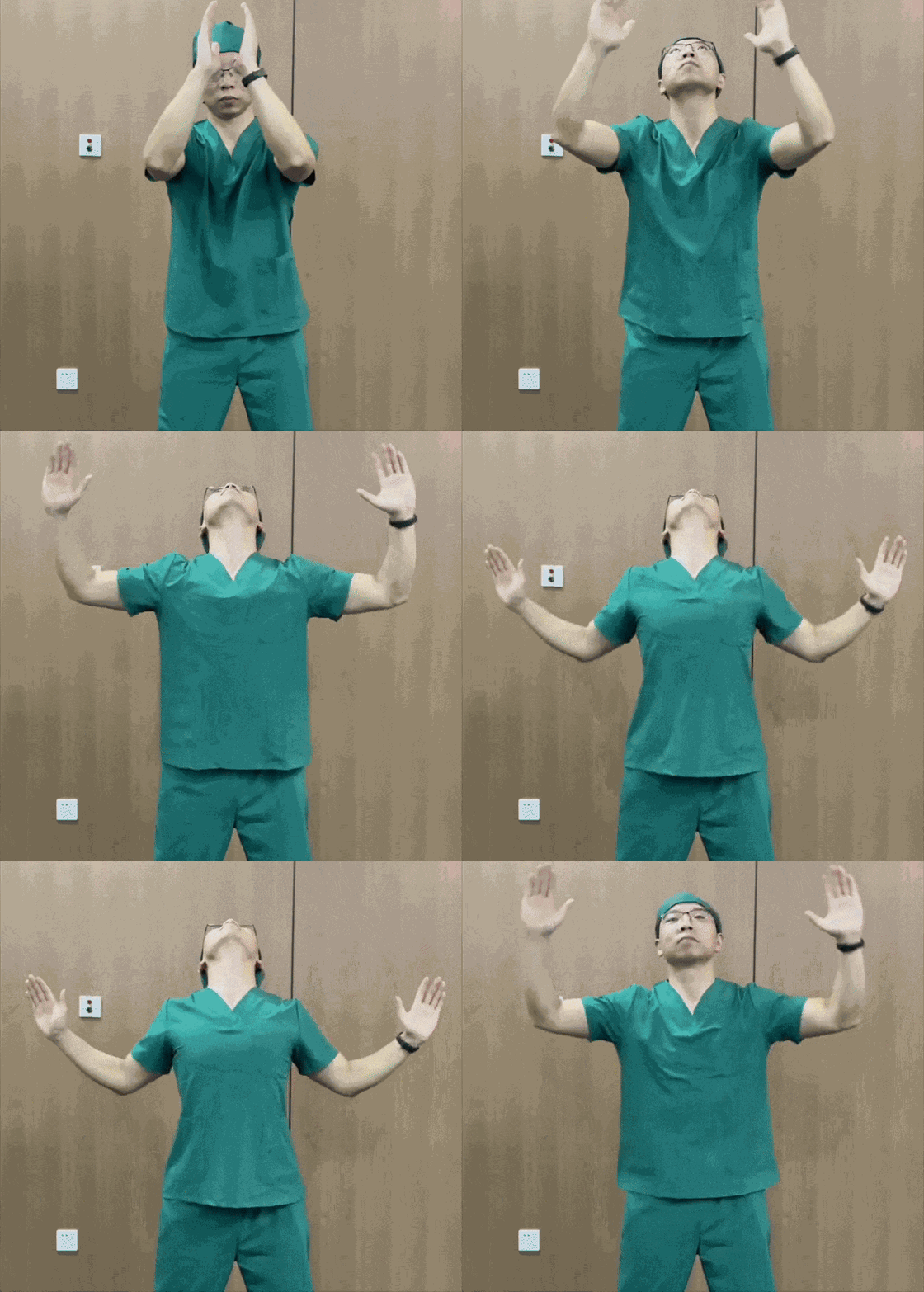
- Stand naturally, lengthening the spine upward from the head and neck.
- Keep the body in one straight line, lower back upright.
- Inhale: raise both arms in front of the chest, upper arms parallel to the floor.
- Exhale: open both arms out to the sides and down.
- Draw the shoulder blades toward each other while lifting the head and opening the chest.
- Inhale to return. Repeat 30 times.
Key point. Stay long throughout — avoid collapsing the lower back or tipping the hips. Keep the shoulders down rather than letting them creep toward the ears. Beginners and anyone with existing cervical problems should move slowly; slower is genuinely more effective here.
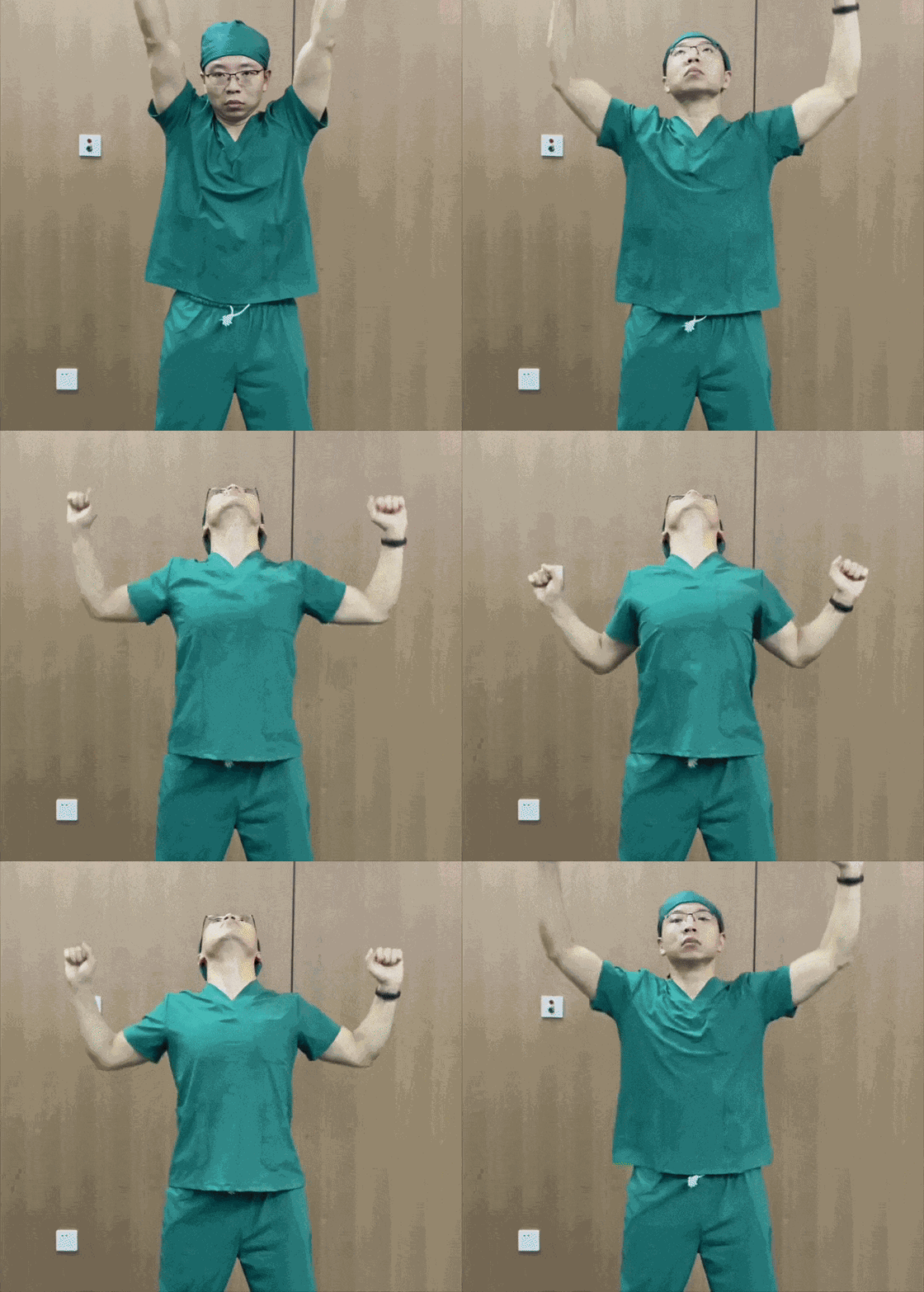
2. W-Position Arm Pulls
- Stand naturally.
- Inhale: raise both arms overhead, palms facing forward.
- Exhale: bend the elbows down into a "W" shape.
- Close the hands into fists and draw the shoulder blades together.
- Let the shoulders sink down and the chest open.
- Inhale to return. Repeat 30 times.
Key point. Draw the abdomen in slightly so the body stays steady without swaying, and don't let the lower back collapse. Put your attention on the shoulder blades — the movement should be driven by the upper back, not the arms.
3. Push the Door
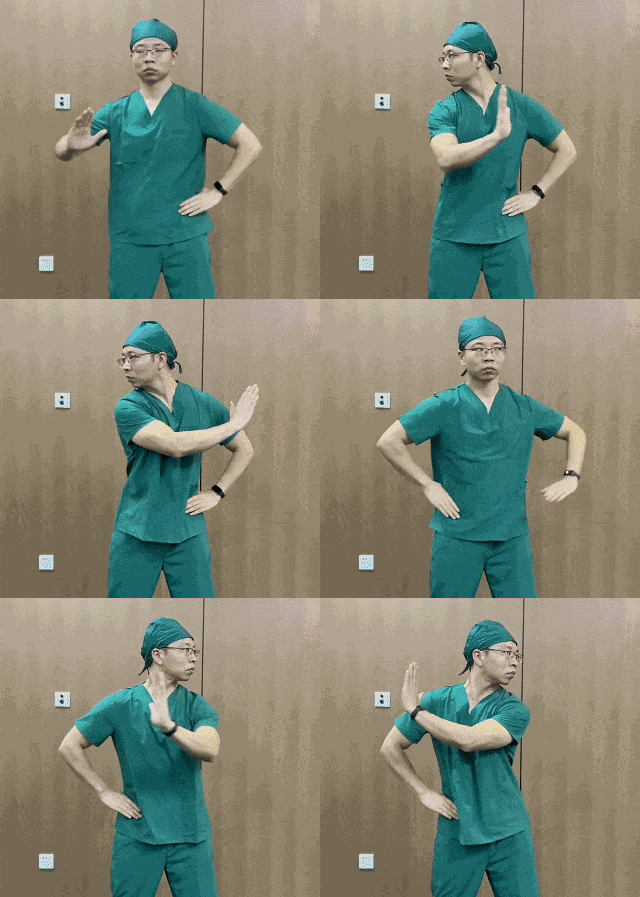
- Stand naturally, head, neck, and spine lengthened into one line.
- Hands on your hips.
- Inhale: push the right hand horizontally to the left, as if pushing a door, while turning the head to the right.
- Exhale: push the left hand horizontally to the right, turning the head to the left.
- Alternate for 30 repetitions.
Key point. Push as though you are genuinely moving a door. The opposition between the pushing hand and the turning head is what creates the sensation — without that resistance the movement does very little.
4. Overhead Reach with Backbend
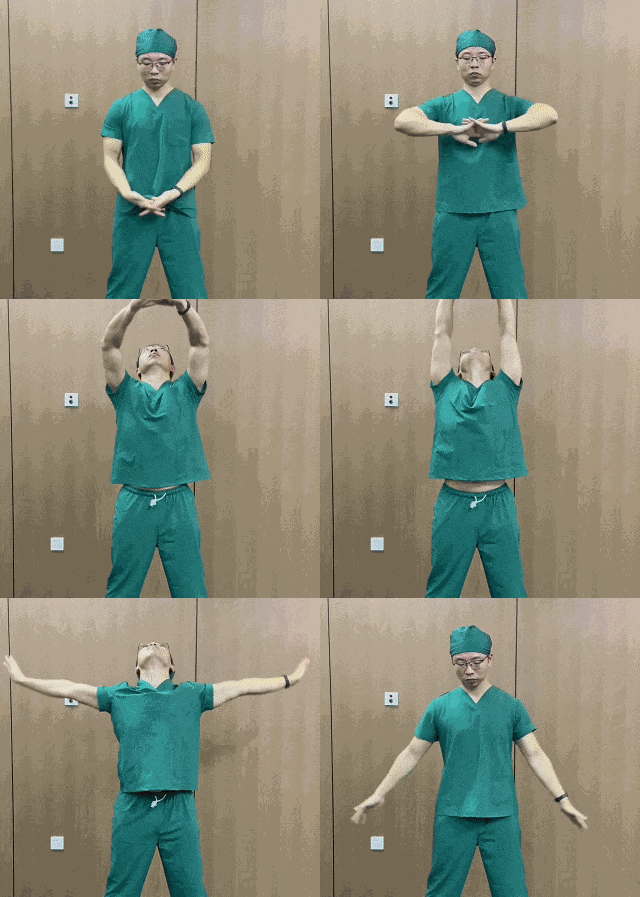
- Stand naturally.
- Inhale: interlace the fingers in front of the body, turn the palms to face forward, and raise the arms overhead.
- Exhale: lift the head and bend back gently, opening the chest.
- Bring the arms down through the sides to the front of the body.
- Repeat 30 times.
Key point. Keep the abdomen gently engaged throughout to stay stable. If you have a cervical condition, take the head-back phase slowly. Aim for a full, complete range of motion — and the slower you go, the better the result.
5. Hands Behind Head, Open and Close
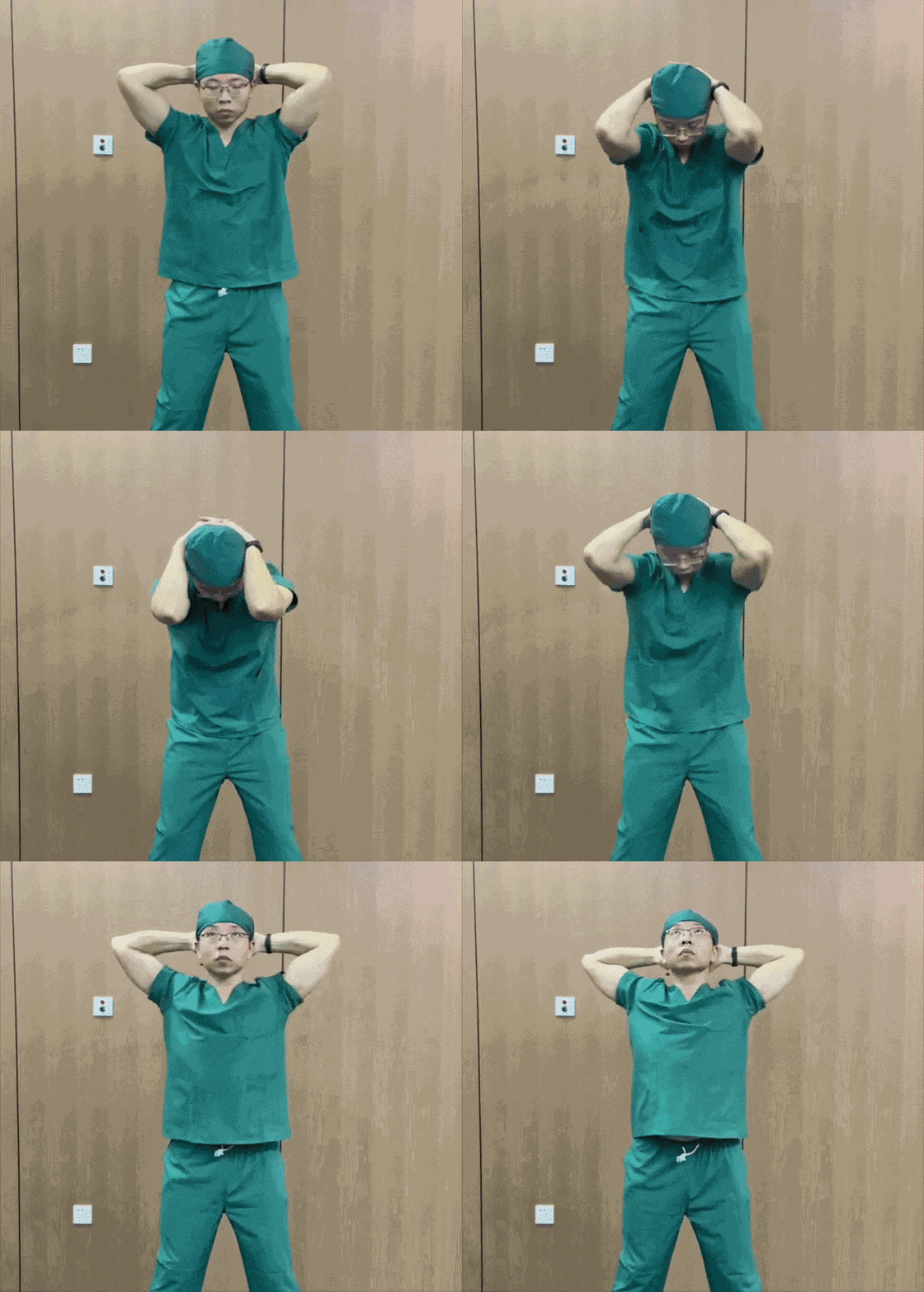
- Stand naturally with the fingers interlaced behind the head.
- Inhale: lift the head and open the chest, drawing the elbows wide to the sides and bending back slightly.
- Exhale: lower the head, hollow the chest, and round the upper back.
- Let the elbows draw toward each other.
- Repeat 30 times.
Key point. This must be slow and controlled — do not rush it. Coordinate the breath with the movement and the effect improves considerably.
Why This Routine Works
Look at what these five movements have in common: nearly all of them involve opening the chest and squeezing the shoulder blades together. That is not accidental. Desk and phone posture holds you in exactly the opposite shape for hours — chest closed, shoulders rounded forward, shoulder blades spread apart and the muscles between them held long and loaded.
Three practical principles:
- Slow beats fast. Four of the five key points above say some version of this. These are not cardio movements; the benefit comes from control through the full range.
- Think shoulder blades, not arms. The arms are levers. The work is happening in the upper back.
- Frequency beats duration. Three minutes done daily will do more than thirty minutes done once a week, because the underlying cause is sustained static posture.
If you have existing neck problems, reduce the range and slow the tempo further — particularly in movements 4 and 5, which take the head backward. And if you experience dizziness, numbness in the arms or hands, or pain that sharpens rather than eases as you move, stop and get it assessed.