Nagging Ache Between Your Shoulder Blades? 5 Wall Moves to Release Overworked Back Muscles
By SPOLBAN Team··4 min read
Adapted from a Chinese-language yoga therapy routine. For general education only — not a substitute for individual medical advice.
The Ache That Keeps Coming Back
Long hours at a desk, head bent over a phone, and then you notice it: a dull ache deep in the gap between your shoulder blades, as if a cord is being pulled tight. It bothers you when you raise your arm or twist, and even when you roll over in bed at night.
A massage or a heat pack helps for a while, but two days later the ache is back.
Below is a simple home routine with no equipment. It targets the deep fascia of the upper back and helps ease the ache between the shoulder blades. It works in three ways:
- Releases tight upper-back muscles
- Gets "stuck" shoulder blades moving again
- Reduces the pulling sensation along the inner edge of the shoulder blades
It suits office workers and anyone who spends hours on housework. All five moves are done standing, facing a wall.
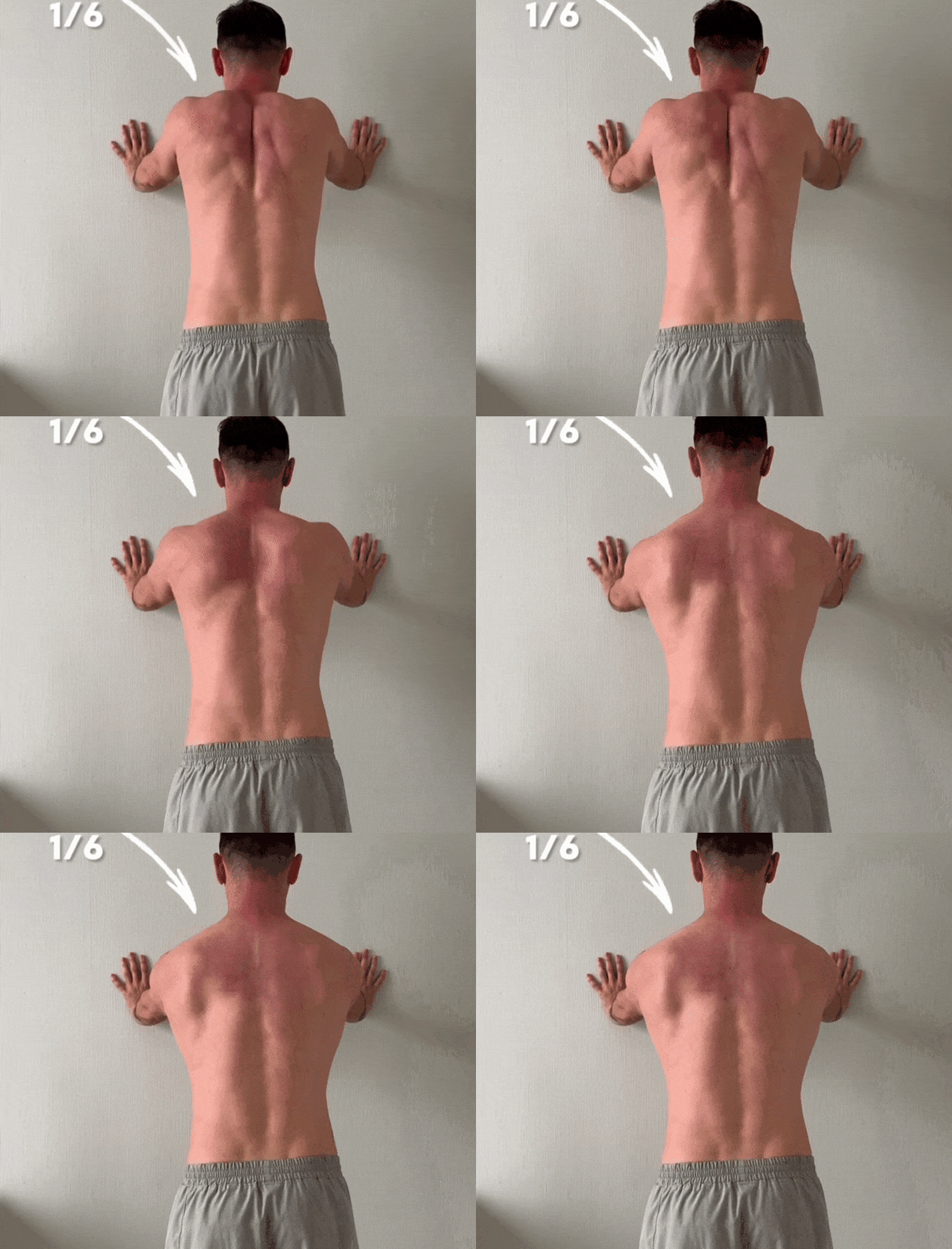
1. Wall Push
- Stand facing a wall with both arms out in front, hands pressing on the wall.
- Inhale: let the body sink forward, drawing the shoulder blades toward each other.
- Exhale: push into the wall with both arms, rounding and filling out the upper back.
- Let the shoulder blades spread apart. Repeat 10–20 times.
Key point. The shoulder blades do the work, not the arms. Keep your attention on the shoulder blades and feel them glide. This is what stretches and releases the rhomboids, the muscles that sit between them.
2. Alternating Arm Reach
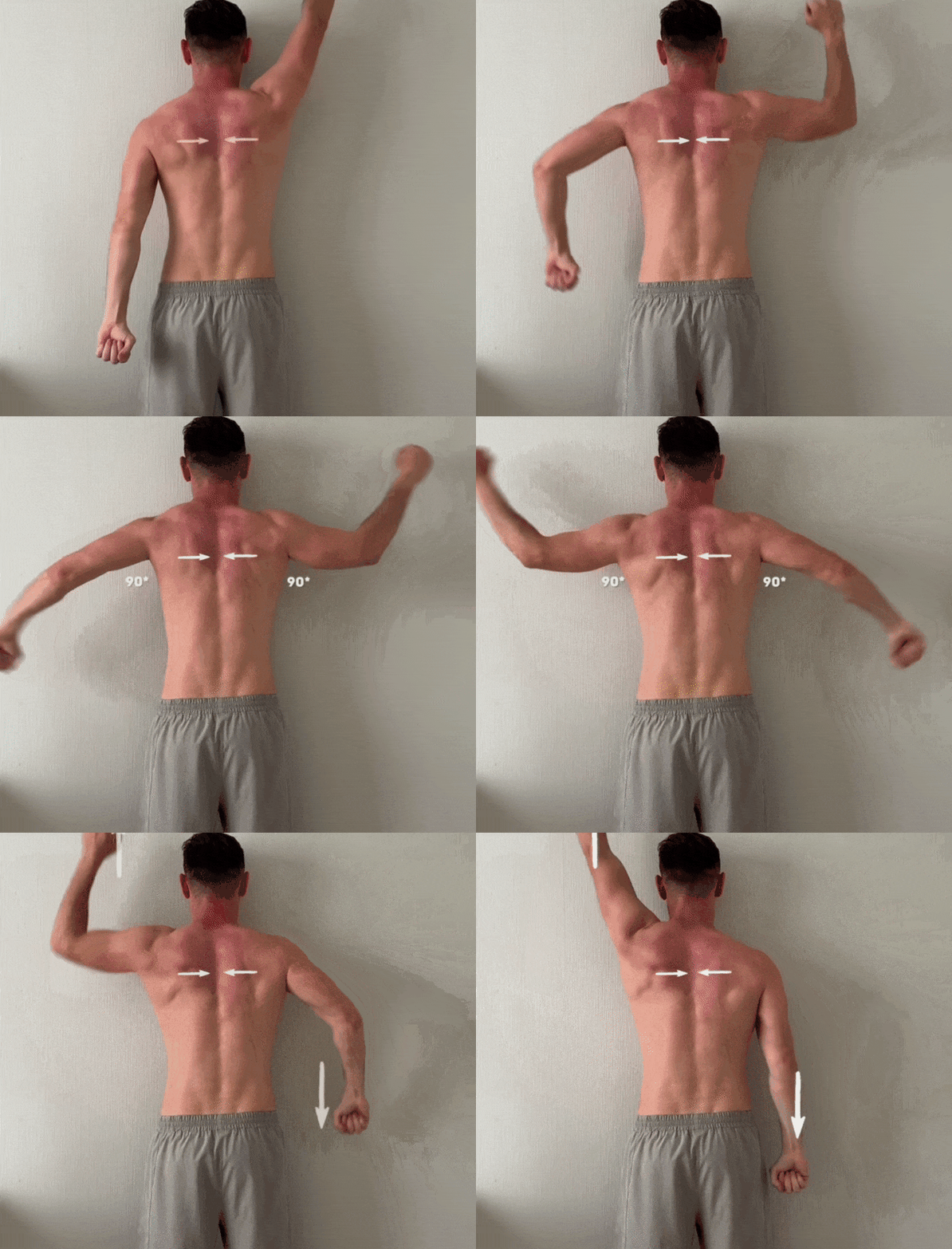
- Stand naturally, facing the wall.
- Make fists. Raise the right arm overhead.
- Extend the left arm down, like a "charge!" pose.
- Bend both arms at the same time and switch directions.
- Straighten the left arm up and the right arm down.
- Keep switching sides for 5–8 rounds.
Key point. Brace the core and stand tall, without rounding the back. This lets every muscle around the shoulder blade release and work, restoring circulation to the area.
3. W-to-Y Arm Rotation
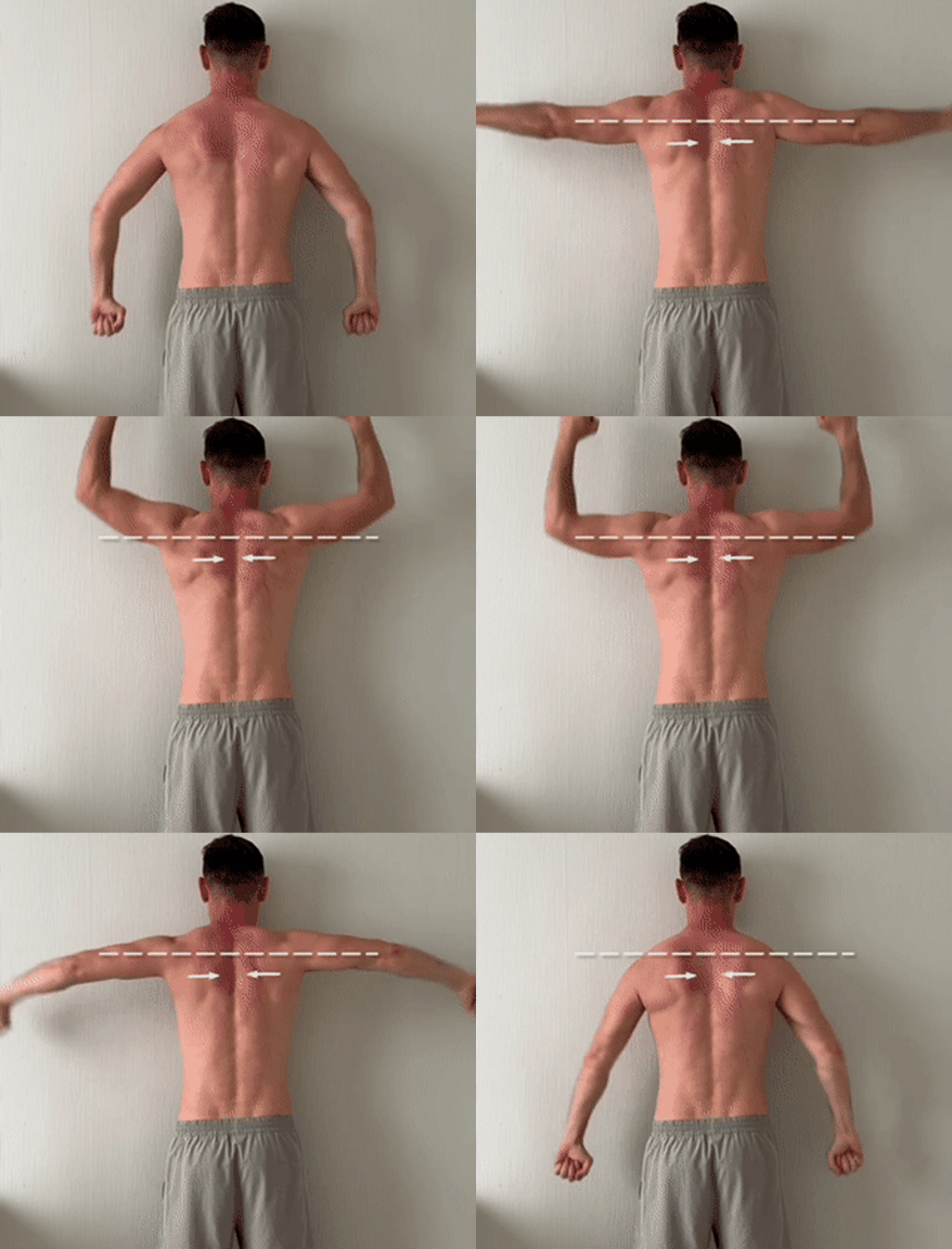
- Stand naturally facing the wall, arms by your sides.
- Make fists, knuckles facing back.
- Inhale: bend the arms and lift the elbows until the upper arms are parallel to the floor, forearms pointing down, like an upside-down "W".
- Exhale: rotate the forearms so they point up, forming a "W".
- Press both arms up overhead into a "Y".
- Inhale: bend the elbows, rotate the forearms back down, and return.
- Repeat for 5–8 rounds.
Key point. Keep the spine and lower back upright and the neck and shoulders relaxed. Drive the movement from the shoulder blades so they move through their full range, which restores elasticity to the surrounding muscles.
4. Hands-by-Head Squeeze
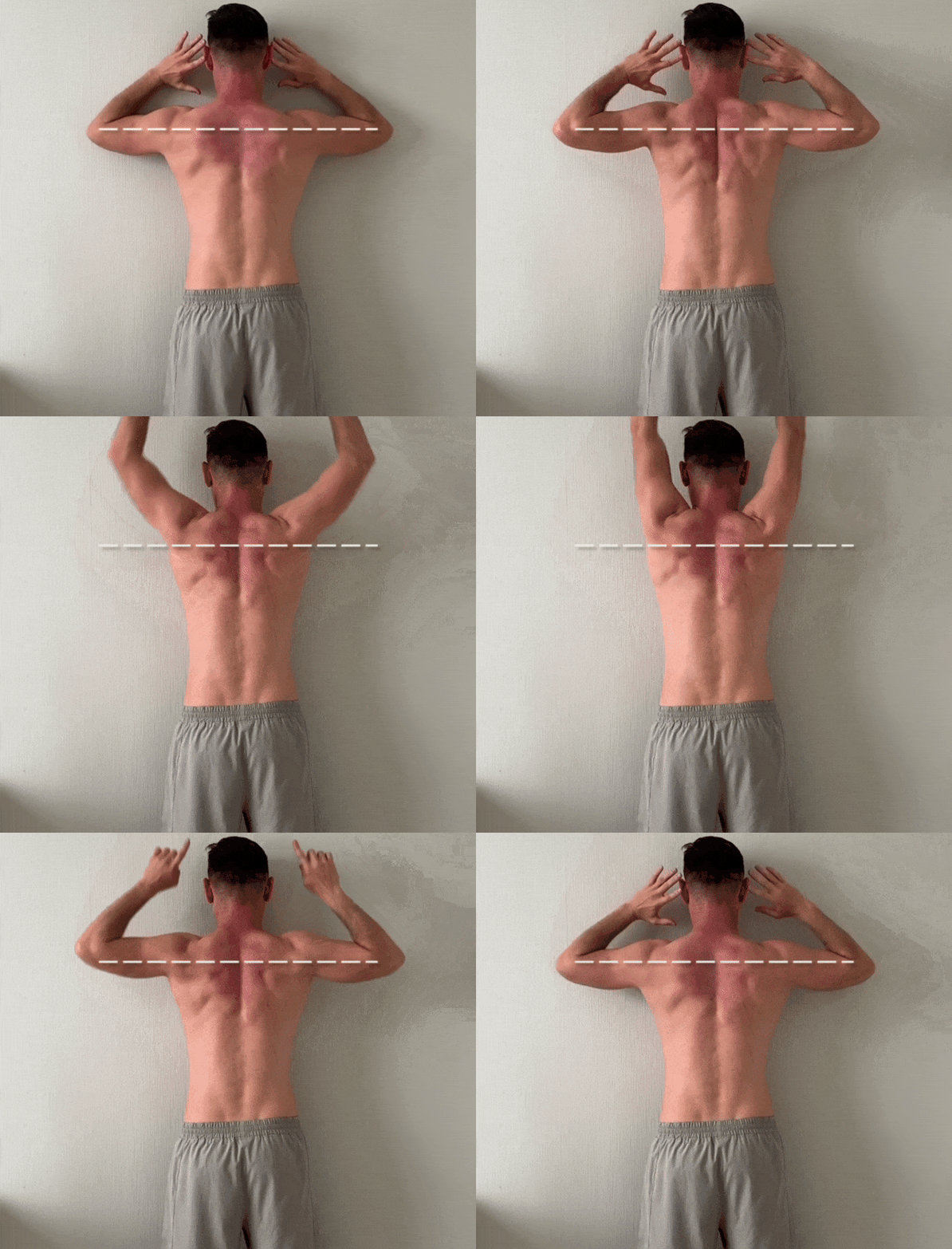
- Stand naturally, facing the wall.
- Place the hands beside the head.
- Exhale: draw both arms back, squeezing the shoulder blades together.
- Keep the shoulder blades drawn in as you straighten the arms overhead.
- Inhale to return. Repeat for 5–8 rounds.
Key point. Lengthen through the head, neck, and spine and keep the back upright. The shoulder blades power the whole movement with as little arm effort as possible. This strengthens the muscles around the shoulder blades and makes them more mobile.
5. Shoulder Rolls
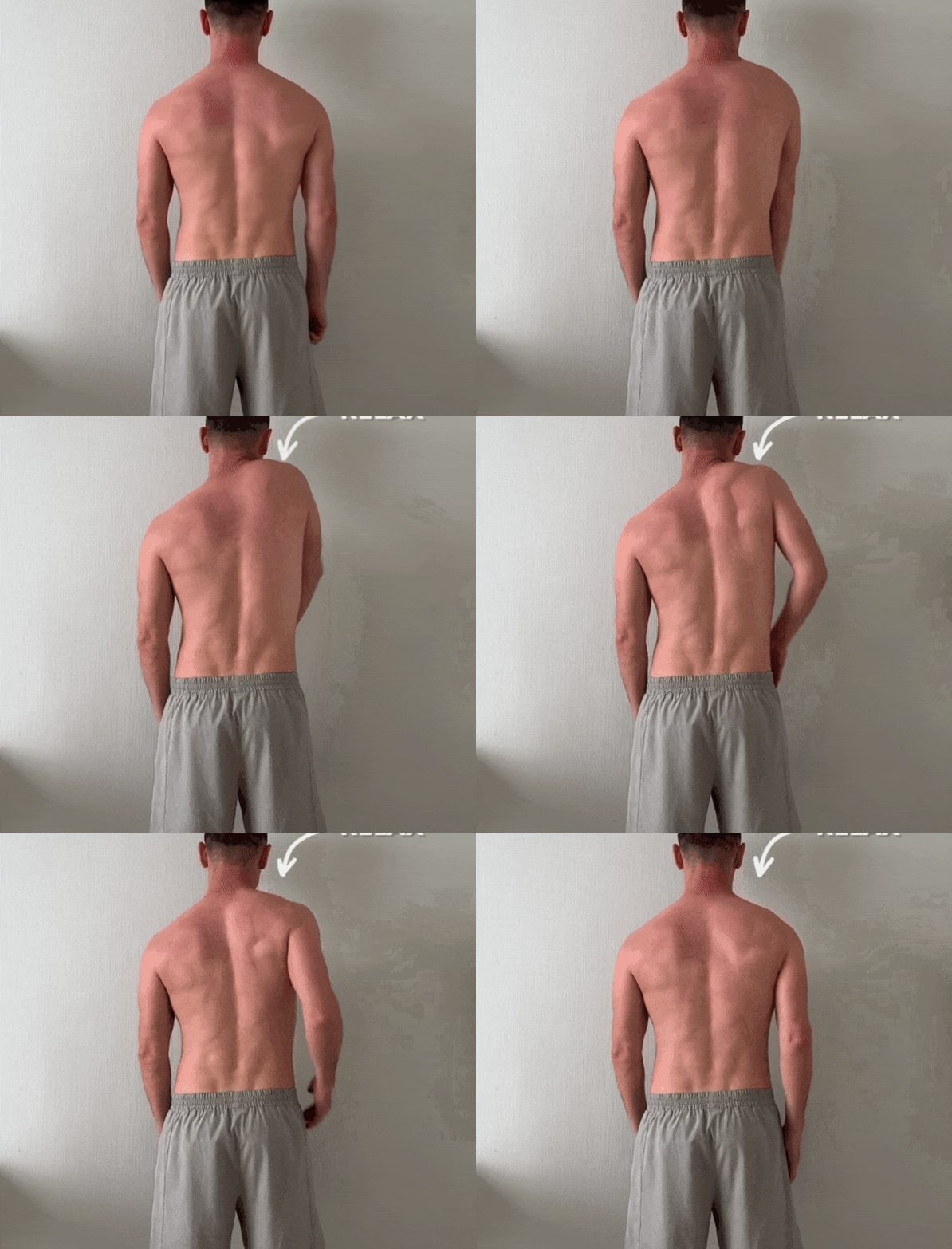
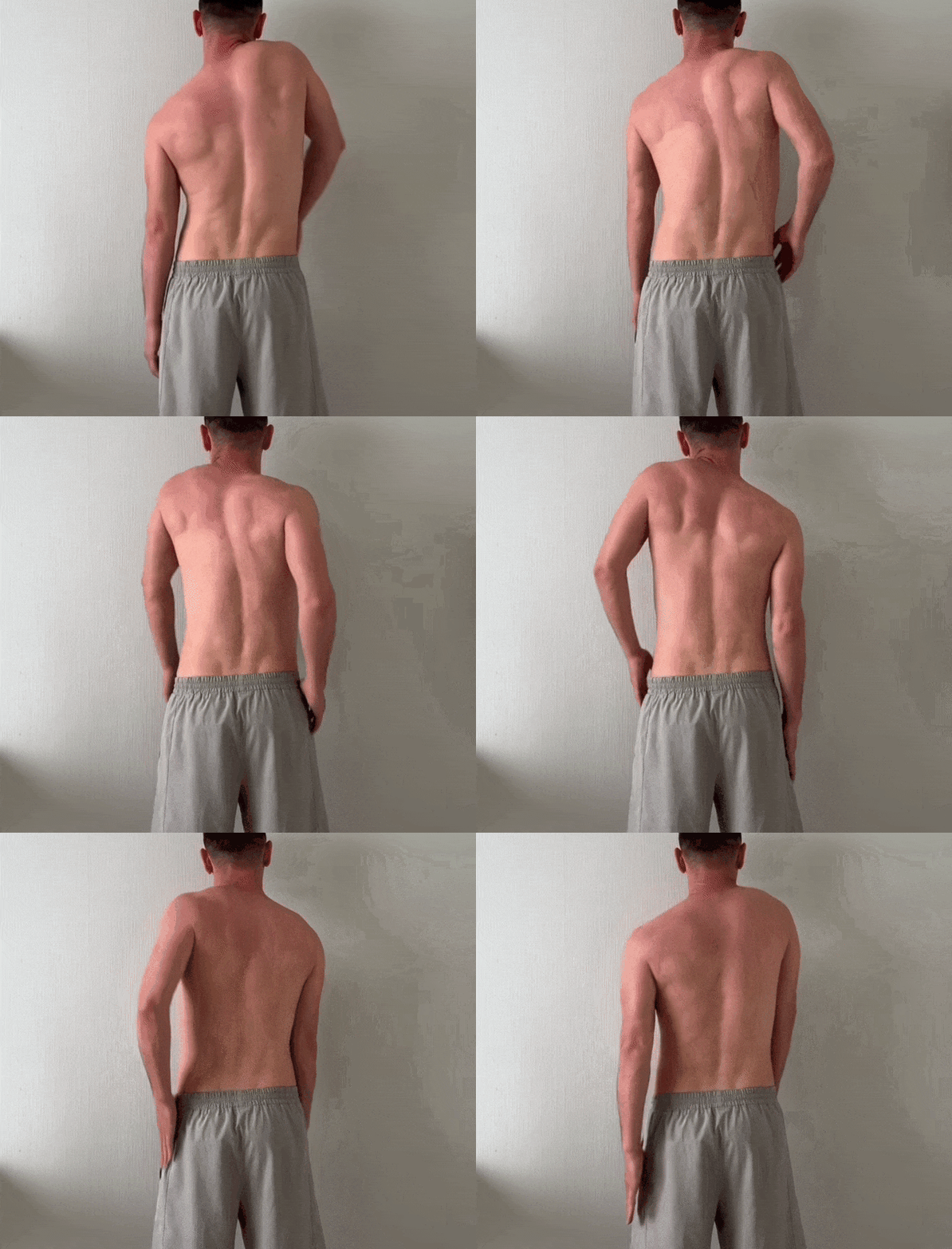
- Stand naturally, facing the wall.
- Inhale: lift the right shoulder as high as it will go.
- Then roll it back and down. Switch sides.
- One right plus one left counts as a round. Do 5–8 rounds.
- Then roll both shoulders together, a little faster.
- Do another 5–8 rounds.
Key point. Keep the spine upright and the shoulders, back, and shoulder blades relaxed. The goal is to fully loosen the muscle and fascia around the shoulder blades and release built-up tension and stiffness.
Tip: Many people find that applying a SPOLBAN press needle patch along the inner edge of the shoulder blade, where the ache sits, helps the shoulders rotate more freely during these moves. Wear it while you do the routine and through the workday for steady, gentle support.
Why This Routine Works
The ache between the shoulder blades is rarely about the spot itself. Sitting and scrolling holds the shoulder blades spread apart and the chest closed for hours, so the rhomboids and middle trapezius stay long and loaded all day. Massage relieves the symptom, but it doesn't change the posture that caused it. That's why the ache comes back.
Three principles run through all five moves:
- Shoulder blades first, arms second. Every key point above says this in some form. If your arms are tired and your upper back feels nothing, slow down and move less.
- Stay tall. Brace the core and keep the back upright. Rounding the back just recreates the desk posture you're trying to undo.
- Little and often. The whole routine takes a few minutes. Doing it once or twice during the workday will do more than one long session a week.
If the pain is sharp, spreads down the arm, comes with numbness or tingling, or is accompanied by chest pain or shortness of breath, stop and get it checked by a medical professional. Pain between the shoulder blades isn't always muscular.