The Pain Between Your Shoulder Blades: 7 Movements for Fast Rhomboid Relief
By SPOLBAN Team··Updated ·4 min read
Adapted from a routine shared by instructor Li Dan. This article is for general education and is not a substitute for individual medical advice.
It Probably Isn't Your Neck
You know the feeling: a sore, swollen ache across the upper back, worst along the inner edge of the shoulder blade. Most people assume it's a cervical spine problem. Usually it isn't. The culprit is the rhomboids — the muscles sitting between the shoulder blades and the spine.
Long hours hunched over a desk and looking down at a phone don't only strain the neck. They repeatedly stretch the rhomboids and the fascia of the upper back, holding them in a lengthened, loaded position for hours at a time. Over months this produces inflammation, adhesions, and swelling, gradually settling into chronic strain. The pain follows.
The seven movements below restore elasticity to the rhomboids between the shoulder blades, which is what relieves that deep interscapular ache. Several use a light stick — a dowel, broom handle, or clothes rail all work.
1. Overhead Arm Alternation
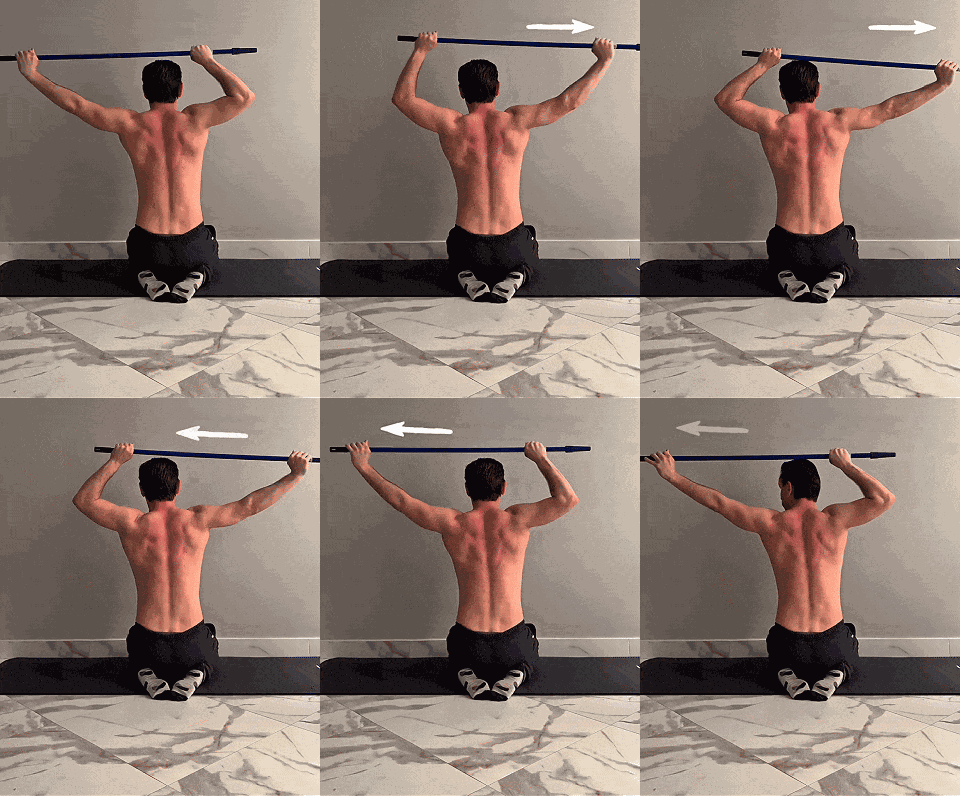
- Kneel or sit tall.
- Hold a wooden stick or clothes rail with both hands, hands about two shoulder-widths apart.
- Inhale: raise both arms overhead.
- Bend the elbows so the upper and forearm form a 90° angle.
- Exhale: straighten the right arm out to the right.
- Bend the left elbow in toward the head.
- Inhale to return, then switch sides.
- Alternate for 20 repetitions.
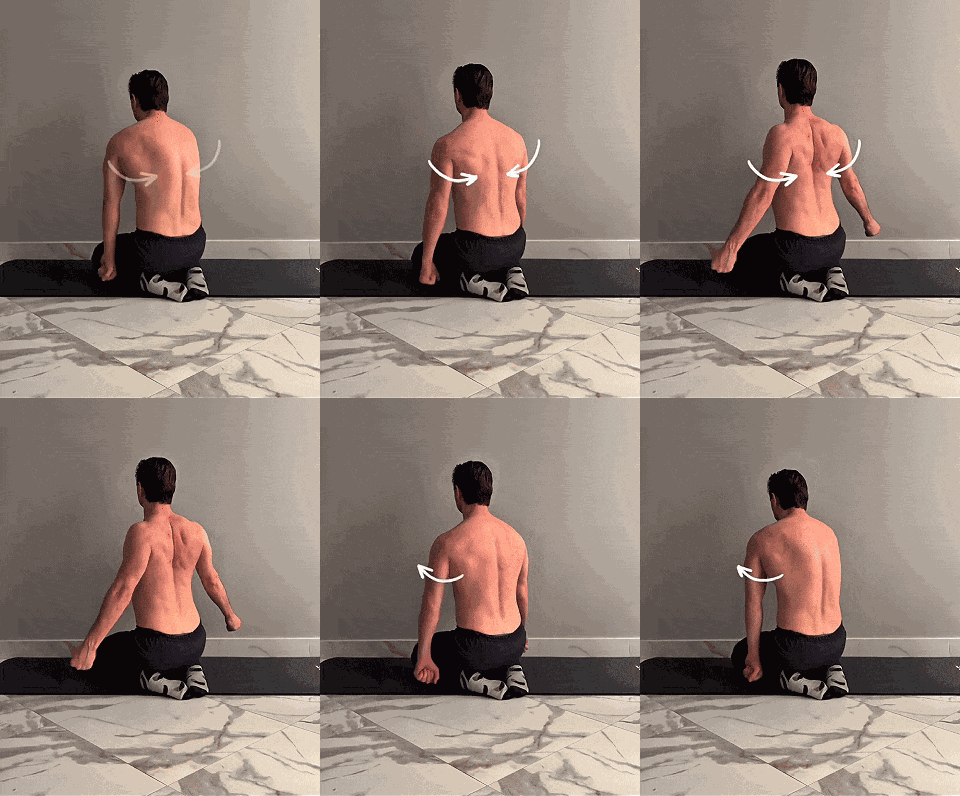
2. Scapular Protraction and Retraction
- Kneel or sit tall, fists at either side of the body.
- Inhale: rotate the upper arms inward, rounding the shoulders and upper back.
- Let the shoulder blades travel away from each other, fists turning to face outward.
- Exhale: rotate the upper arms outward.
- Draw the shoulders back and open the chest.
- Squeeze the shoulder blades together, fists facing forward.
- Repeat 20 times.
Why it works. This is the most direct rhomboid movement in the set — you are actively shortening and lengthening exactly the tissue that has been held stretched all day.
3. Alternating Arm Rotations
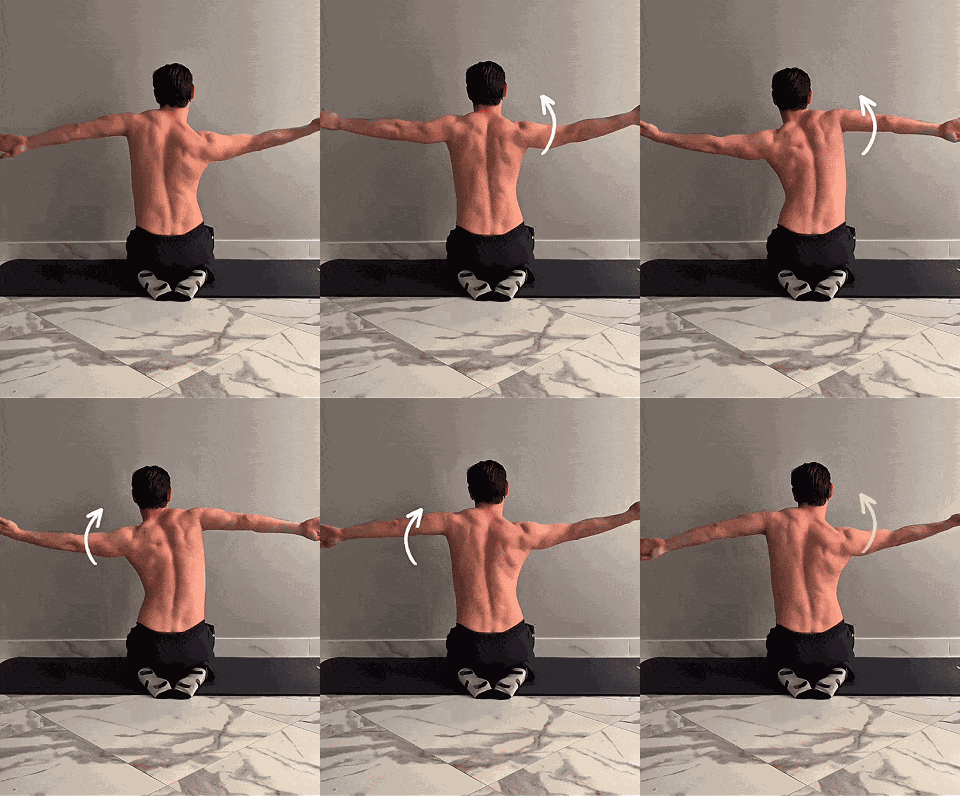
- Kneel or sit tall.
- Inhale: extend both arms out to the sides at shoulder height.
- Lengthen the head, neck, and spine into one straight line.
- Exhale: rotate the right upper arm outward while rotating the left upper arm inward, so the arms wring in opposite directions.
- Inhale, switch directions. Repeat 20 times.
4. Wall Scapular Push
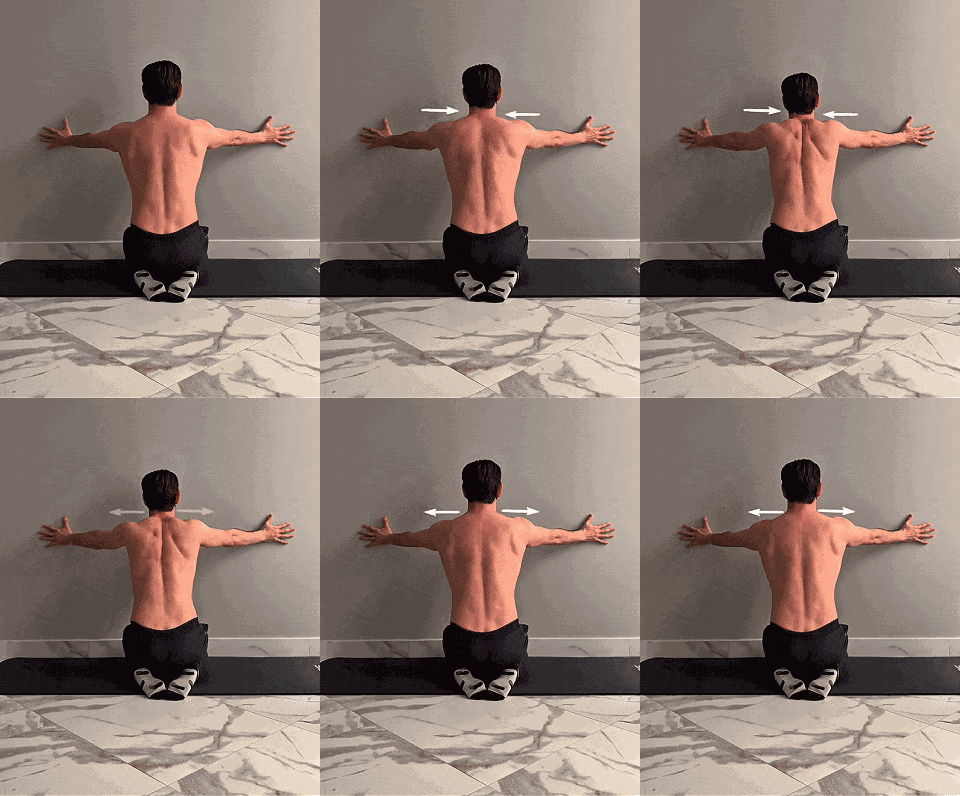
- Kneel or sit facing a wall.
- Open both arms to the sides and support the fingertips against the wall.
- Inhale: lengthen the head, neck, and spine.
- Round the upper back as high as possible, spreading the shoulder blades wide apart.
- Exhale: bring the chest toward the wall.
- Draw the shoulder blades together and squeeze.
- Repeat 20 times.
5. W-Position Twist
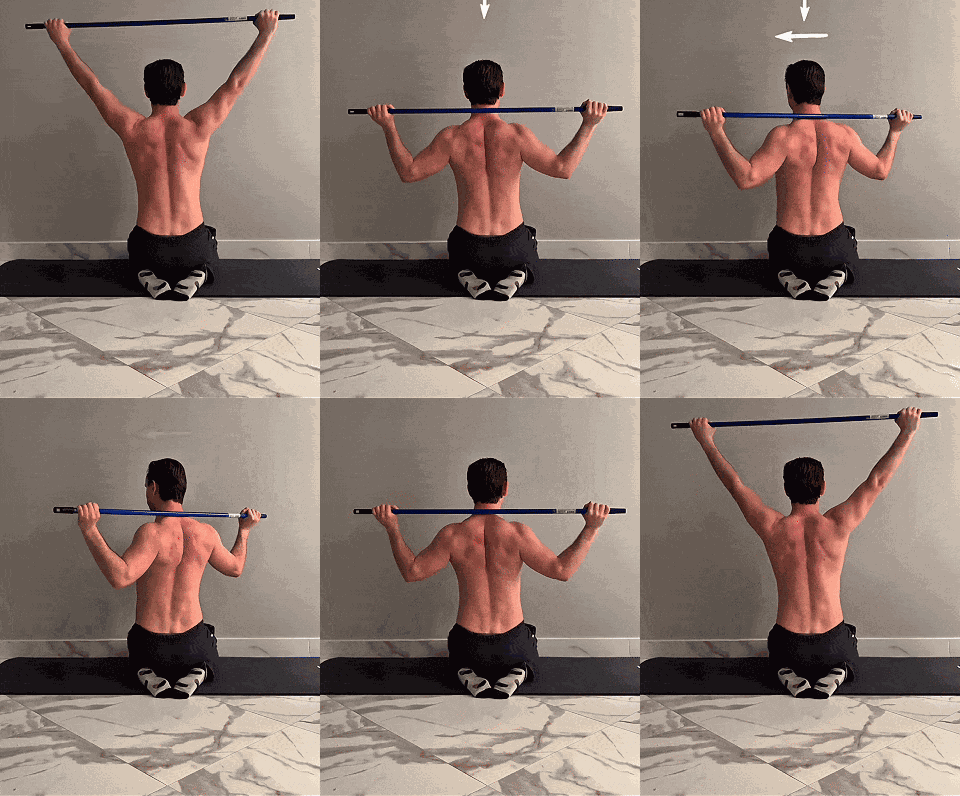
- Kneel or sit tall.
- Hold the stick with hands about two and a half shoulder-widths apart.
- If your neck and shoulders are quite stiff, widen the grip further.
- Inhale: raise both arms overhead.
- Exhale: bend the elbows back and down so the stick rests across the upper back and the arms form a "W" shape.
- Twist the torso to the right.
- Inhale to return, arms lifting overhead.
- Exhale: bend the elbows down and twist to the left.
- Alternate for 20 repetitions.
6. Thread-the-Needle Reach
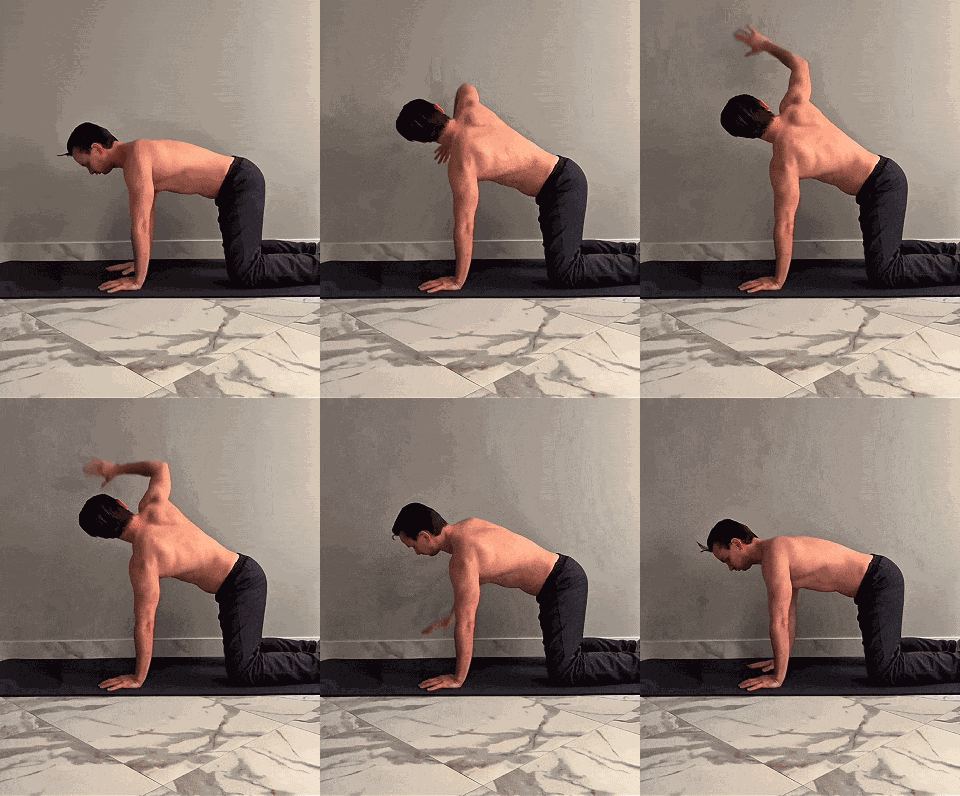
- Kneel on all fours on the mat.
- Position hands and knees about one shoulder-width apart.
- Keep the thighs and arms vertical to the mat.
- Inhale: lengthen the head, neck, and spine into one straight line.
- Exhale: open the right arm out to the right and up, rotating the spine to the right with the arm extended overhead.
- Inhale to return. Repeat 20 times, then switch sides.
7. Alternating Shoulder Shrugs
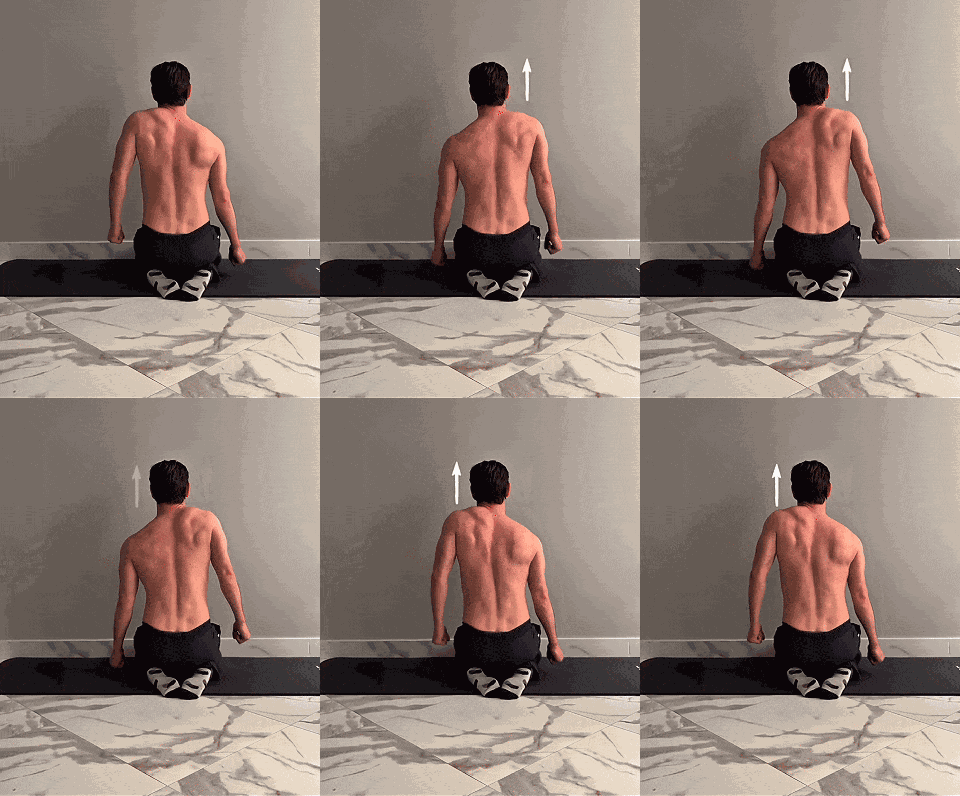
- Kneel or sit tall, fists at either side of the body.
- Inhale: lengthen the head, neck, and spine into one straight line.
- Exhale: shrug the right shoulder up while the left shoulder sinks down.
- Alternate for 20 repetitions.
- Let the shoulder blades travel through their full range, as high and as low as they will go.
Getting the Most From the Routine
The rhomboids respond to movement through range, not to holding a position. That is why almost every exercise here is 20 repetitions rather than a 30-second hold — you are trying to restore elasticity to tissue that has been stuck in one length all day.
A few practical notes:
- Move the shoulder blades, not just the arms. In the protraction/retraction and shrug drills especially, the arms are only handles. The work happens between the shoulder blades.
- Widen your grip if you're stiff. A narrow grip on the stick forces the shoulders into a range they may not have yet, which usually gets compensated for elsewhere.
- Take a break before it hurts. The underlying cause is sustained static loading. Short, frequent movement breaks during the workday prevent more than any single session fixes.
If the pain between your shoulder blades is sharp rather than aching, radiates into the arm or chest, or persists despite regular movement, get it assessed rather than continuing to stretch into it.